

Messagenal is an emerging term connected with clearer, more purposeful digital communication. As emails, workplace chats, customer messages, and social conversations continue to grow, simply sending information is no longer enough. The idea behind Messagenal is to make messages easier to understand, relevant to the recipient, and clear about what should happen next.
What Is Messagenal?
Messagenal can generally be described as an approach to communication that focuses on purpose, clarity, context, audience awareness, and useful outcomes. Instead of sending a quick message without considering how it will be received, the sender thinks about what the other person actually needs to understand.
For example, “Please check this” may leave someone confused about what needs checking or when it is required. A more effective message identifies the document, explains the task, and gives a deadline. That small difference reflects the thinking commonly associated with Messagenal.
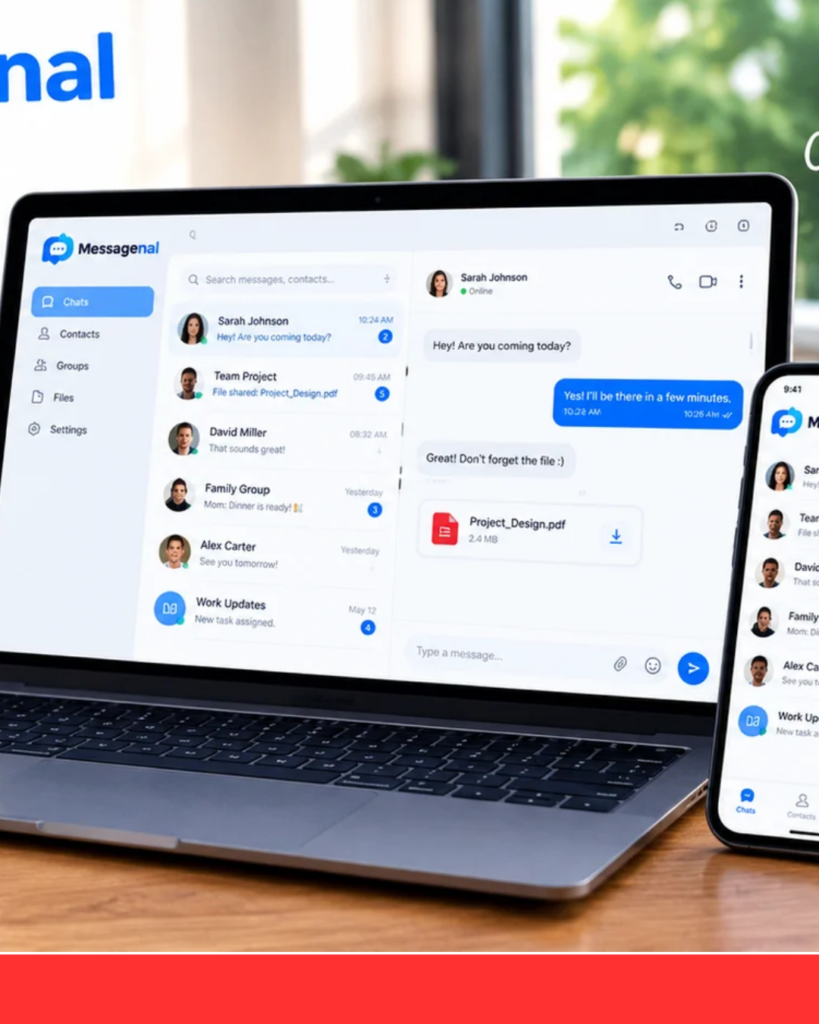
Meaning of Messagenal
There is currently no universally accepted academic or dictionary definition of Messagenal. The term appears mostly in recent online discussions about intentional digital messaging, where it is used to describe communication designed around meaning rather than message volume.
In simple terms, Messagenal asks a few practical questions: Why am I sending this message? Who will read it? What background does the reader need? What response or action should follow? These questions help turn ordinary digital messages into more useful communication.
Where Did It Come From?
The exact origin of Messagenal remains unclear. No widely recognised researcher, organisation, or communication body has been confirmed as its original creator. The term appears to have gained attention online relatively recently, with different websites offering slightly different interpretations.
Because its history is not firmly documented, claims about a specific founder or official launch should be treated cautiously. It is more accurate to describe Messagenal as an emerging internet communication term rather than a formally established theory.
How Messagenal Works
A Messagenal-style approach begins before the message is written. The sender first decides what the communication needs to achieve. It may be intended to inform someone, request action, clarify a problem, confirm a decision, or provide an update.
The next step is considering the audience and providing enough context. The message should then clearly explain any expected response, action, or deadline. The aim is not always to write less. It is to include the right information without unnecessary confusion.
Purpose and Clarity
Purpose is one of the most important parts of effective messaging. When a sender is unsure what they want from the recipient, the message often becomes vague, repetitive, or overloaded with unrelated details.
Clear communication solves this by making the main point easy to identify. Instead of hiding an important request inside a long paragraph, a Messagenal approach places the essential information where the reader can understand it quickly.
Context Matters
Digital conversations can become confusing because messages are often separated by hours, days, or different platforms. A short message may make sense to the sender but lack enough information for the person receiving it.
Useful context might include the project name, previous decision, document link, deadline, or reason for the request. Messagenal communication does not require repeating everything. It simply encourages writers to provide enough background for the message to stand on its own.
Know Your Audience
The same explanation will not work equally well for every reader. A technical specialist may understand industry terminology immediately, while a customer or new employee may need simpler wording and more background.
Audience awareness means adjusting language, tone, and detail to suit the recipient. This principle has long been part of good communication practice and is also central to how Messagenal is currently described online.
Tone and Empathy
Written communication lacks facial expressions, body language, and vocal tone. As a result, a short sentence intended to sound efficient may appear impatient, cold, or dismissive.
Messagenal encourages people to consider how their wording may be interpreted. This does not mean every message needs emotional language. It simply means choosing a respectful tone and recognising that how something is said can influence how it is understood.
Benefits of Messagenal
The main benefits of Messagenal come from making communication easier to follow. Clear messages can reduce unnecessary follow-up questions, help people make decisions faster, and make responsibilities more obvious.
Better context also makes conversations easier to review later. In workplaces, this can be particularly useful when decisions, deadlines, and project updates need to be revisited after several days or shared with someone who was not part of the original discussion.
Workplace Uses
Businesses rely on email, workplace chats, project tools, shared documents, and customer platforms. Information can easily become fragmented across these channels.
Using Messagenal principles can make workplace messages more organised. A useful project update might explain what has been completed, what remains unfinished, who is responsible for the next task, and when it is due. This reduces uncertainty without making the message unnecessarily long.
Customer Communication
Customer support is another area where clear messaging matters. Customers usually want to understand what happened, what is being done about it, and what they need to do next.
A useful response should answer those questions directly. Instead of sending a generic update, businesses can provide the relevant status, expected next step, and any action required from the customer. This makes communication more practical and reassuring.
Marketing Uses
Marketing messages also benefit from clarity. An advertisement may contain a product, benefit, price, deadline, condition, and call to action. If these elements are poorly organised, the main message can disappear.
A Messagenal approach focuses on what the audience needs to understand first. The strongest benefit comes before secondary details, while the action the reader can take remains easy to identify.
Remote Teams
Remote and hybrid teams often communicate asynchronously, meaning the sender and recipient may not be available at the same time. Vague messages can therefore delay decisions and tasks.
A clear remote-work message can include the project, current status, required decision, supporting information, responsible person, and deadline. This gives colleagues enough information to respond without waiting for another explanation.
Is Messagenal an App?
Some online articles describe Messagenal as a messaging or unified communication platform. However, there is currently not enough reliable evidence to treat it as a widely established standalone application with a confirmed set of features.
The more cautious interpretation is that Messagenal is an emerging communication concept. Claims about official software, integrations, security features, pricing, or artificial intelligence tools should be independently verified before being presented as fact.
Messagenal vs Traditional Messaging
Traditional messaging mainly focuses on delivering information from one person to another. Messagenal places greater attention on how effectively that information is understood.
Instead of asking only, “What should I send?” the sender also considers, “What does the recipient need to know?” That shift encourages better context, clearer wording, appropriate tone, and more obvious next steps.
Limits of Messagenal
The biggest limitation is that Messagenal still lacks an established formal definition. Different websites use the term in different ways, and no recognised professional body currently sets official standards for it.
Its principles remain useful, but writers should separate familiar communication practices from unverified claims about the term. Avoiding invented founders, unsupported technology features, or exaggerated benefits keeps information accurate and trustworthy.
Final Thoughts
Messagenal is best understood as an emerging approach to clearer and more intentional digital communication. It encourages people to consider purpose, audience, context, tone, and expected outcomes before sending a message.
The term itself may still be developing, but the communication principles behind it are familiar and practical. In a world where sending information takes seconds, Messagenal highlights a simple lesson: good communication depends not only on what is sent, but on what the other person actually understands.
Must Read: Who Is Andrew Silverman? Age, Family, Career and Net Worth
FAQs
What does Messagenal mean?
Messagenal is an emerging term used to describe purposeful and clear digital communication. It focuses on making messages easier for recipients to understand by considering context, audience, tone, and the desired outcome.
How does Messagenal work?
Messagenal works by encouraging the sender to identify the purpose of a message, understand the audience, provide enough context, and clearly explain any required action. The aim is to reduce confusion and unnecessary follow-up.
What are the benefits of Messagenal?
The main benefits include clearer communication, fewer misunderstandings, better organisation, more useful workplace messages, and easier decision-making. These advantages largely come from established principles of effective communication.
Is Messagenal a messaging app?
There is currently not enough reliable evidence to describe Messagenal as a widely established standalone messaging application. It is more accurately presented as an emerging concept related to intentional digital communication.
Where can Messagenal be used?
Messagenal principles can be applied to emails, workplace conversations, customer support, marketing messages, remote-team communication, social media, and personal messaging. No special software is required.