
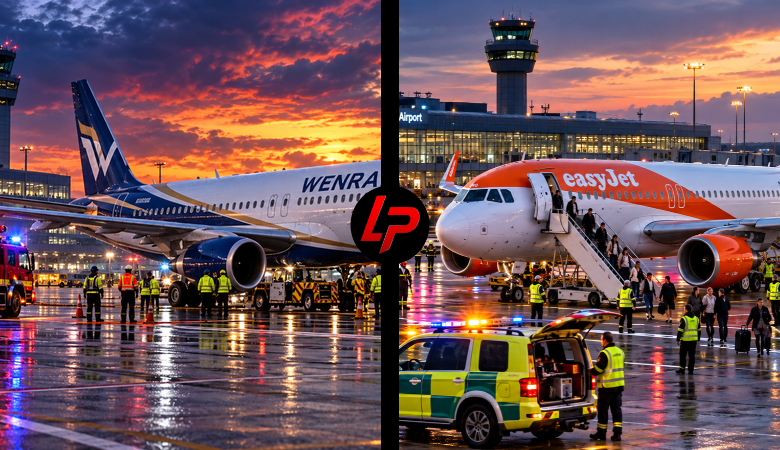
The easyJet Flight U2238 emergency landing Newcastle story refers to an unexpected diversion involving an easyJet service travelling from Copenhagen to Manchester on 27 October 2025. During the flight, a passenger required urgent medical attention, prompting the crew to declare an emergency and divert the aircraft to Newcastle International Airport.
The plane landed safely, medical personnel assisted the passenger, and the flight later continued to Manchester. Despite the dramatic wording often used online, available reports indicate that the emergency was related to a passenger’s health rather than a serious technical failure affecting the aircraft.
What Happened?
easyJet flight U2 2238, commonly displayed as U22238, departed Copenhagen Airport for Manchester on the evening of 27 October 2025. During the journey across the North Sea, a passenger developed a medical or welfare issue that required urgent professional attention.
The crew responded by declaring an emergency and changing course towards Newcastle. The aircraft, an Airbus A320, landed safely at Newcastle International Airport, where medical teams were prepared to assist the passenger.
Flight Number Confusion
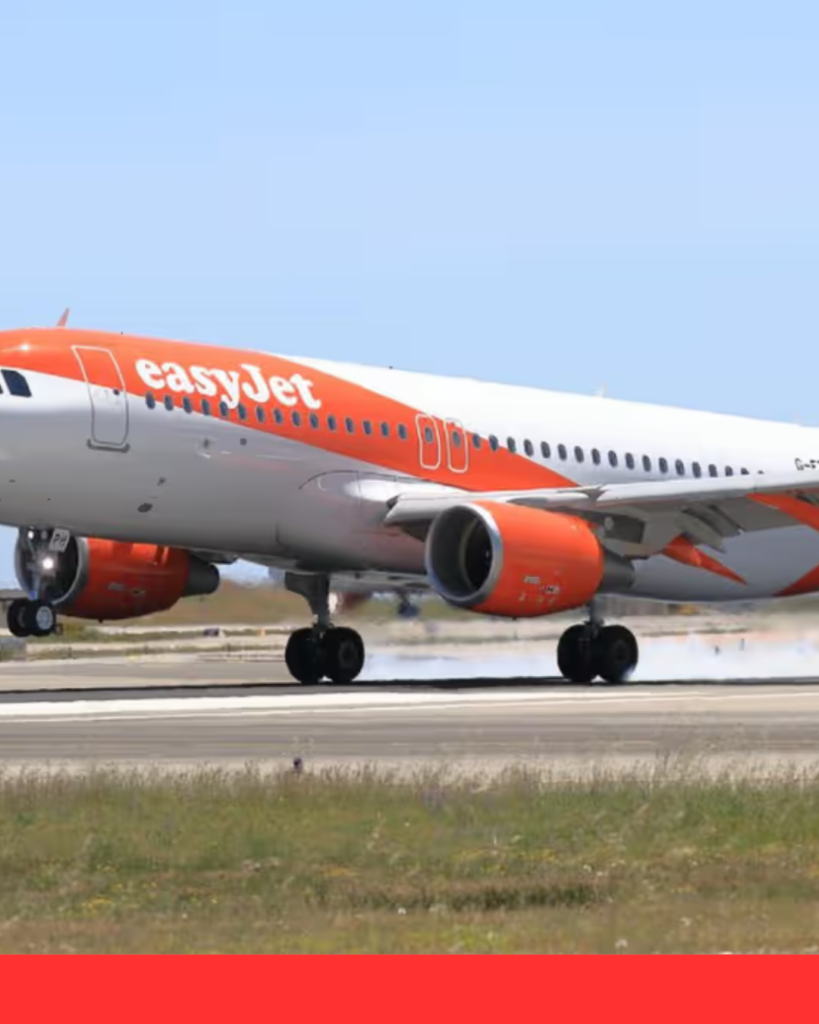
The flight number has caused some confusion online. Many people search for easyJet Flight U2238 emergency landing Newcastle, but the Copenhagen-to-Manchester service involved in this incident was U2 2238, usually written as U22238.
Its ICAO flight identifier was EZY2238. The shorter U2238 can refer to a different easyJet flight, so it is useful to clarify this detail when discussing the Newcastle diversion.
Copenhagen Departure
The aircraft departed Copenhagen later than its original scheduled departure time and climbed to cruising altitude as it headed towards the United Kingdom.
There were no reports at this stage suggesting an engine failure, fire, structural issue, or another major technical fault. The flight was progressing normally until the passenger medical situation developed while the aircraft was travelling over the North Sea.
Medical Emergency
The diversion was caused by a passenger medical or welfare emergency. The exact nature of the passenger’s condition has not been publicly disclosed, which is understandable given medical privacy.
What is known is that the situation was considered serious enough for the pilots to avoid continuing directly to Manchester. Landing sooner gave the passenger faster access to professional medical care on the ground.
Squawk 7700
During the incident, the flight reportedly used the emergency transponder code 7700. In aviation, Squawk 7700 signals a general emergency to air traffic controllers.
The code does not identify the exact problem. It can be used for technical faults, medical emergencies, smoke, fuel concerns, or other serious situations. In this case, reports linked the 7700 declaration to the onboard passenger medical emergency.
Why Newcastle?
Newcastle International Airport was a practical diversion choice because the aircraft was approaching northeastern England after crossing the North Sea.
Pilots considering a diversion may look at distance, weather, runway suitability, fuel, airport capability, and access to emergency services. Newcastle could safely accommodate the Airbus A320 while giving the affected passenger quicker access to medical professionals.
Safe Landing
The aircraft landed safely at Newcastle at approximately 22:52 GMT. Emergency and medical teams were ready to assist once the plane reached the ground.
There were no reports of a crash, runway incident, or damage to the aircraft. This is important because the term “emergency landing” can sometimes suggest the aircraft itself was in serious mechanical danger, which was not reported here.
Passenger Assistance
After landing, medical personnel attended to the passenger. Cabin crews are trained to provide first aid during flights, but their resources are naturally limited compared with those available to paramedics and hospitals.
By diverting to Newcastle, the crew reduced the time before professional treatment became available. Details about the passenger’s later condition have not been publicly confirmed.
No Major Technical Fault
Available reports do not indicate that the Airbus experienced a major technical problem such as an engine failure, fire, loss of cabin pressure, or structural damage.
The aircraft was later able to continue to Manchester, which supports reports that the diversion was caused by the passenger medical situation rather than an aircraft defect requiring the plane to remain grounded.
Journey to Manchester
Once the medical situation had been dealt with, the aircraft departed Newcastle and resumed its journey towards Manchester.
The remaining flight was relatively short, and the Airbus eventually arrived at Manchester Airport shortly after midnight on 28 October 2025. Passengers therefore experienced an unexpected delay and diversion rather than a full cancellation of their journey.
How Medical Diversions Work
When someone becomes seriously unwell onboard, cabin crew first assess the situation and provide appropriate first aid. They may also ask whether a doctor, nurse, paramedic, or other qualified medical professional is travelling as a passenger.
The pilots receive updates from the cabin and decide whether continuing or diverting is safer. If the passenger needs urgent treatment, reaching a suitable airport becomes the priority.
Why Diversions Matter
Medical diversions can cause delays, but they are an important part of airline safety procedures.
A passenger suffering a serious health problem may need equipment, medication, or treatment that is unavailable onboard. Landing at a nearby airport allows emergency teams to take over sooner and gives the passenger a better chance of receiving appropriate care without unnecessary delay.
Was the Plane in Danger?
There is an important difference between an emergency onboard an aircraft and the aircraft itself being in immediate danger.
In this case, the emergency involved a passenger. Available reports show that the aircraft remained controllable and later continued flying normally. The safe landing and onward journey are consistent with a medical diversion rather than a serious aviation malfunction.
Airport Response
Airports regularly prepare for emergency arrivals. Once an aircraft declares an emergency, air traffic controllers can prioritise its approach while airport teams prepare appropriate assistance.
For this flight, Newcastle provided the runway facilities and medical access required to handle the situation. The response allowed the passenger to receive professional attention while enabling the aircraft to continue its original journey later.
Key Timeline
The main events happened within a relatively short period. Flight U22238 departed Copenhagen for Manchester on 27 October 2025, crossed the North Sea, and experienced a passenger medical emergency.
The crew declared an emergency, diverted to Newcastle, landed safely, and allowed medical teams to assist the passenger. After the situation was resolved, the flight continued to Manchester.
What the Incident Shows
The easyJet Flight U2238 emergency landing Newcastle incident highlights how airlines manage unexpected medical problems during flight.
The pilots, cabin crew, air traffic controllers, airport staff, and medical teams all played different roles. The decision to divert was not about keeping the original schedule. It was about getting the affected passenger to suitable medical care as quickly and safely as possible.
Final Thoughts
The easyJet Flight U2238 emergency landing Newcastle search relates to easyJet service U2 2238/U22238, which was travelling from Copenhagen to Manchester on 27 October 2025.
A passenger medical emergency led the crew to declare an emergency and divert the Airbus A320 to Newcastle International Airport. The aircraft landed safely, medical professionals assisted the passenger, and the flight later continued to Manchester.
Most importantly, there is no reliable indication that a major technical fault caused the diversion. The incident was a medical emergency handled through established aviation procedures, showing how quickly crews and ground teams can respond when passenger welfare becomes the priority.
Must Read: Kathy Warden and Simone Biles: Age, Family, Career and Net Worth
FAQs
Why did easyJet Flight U2238 make an emergency landing in Newcastle?
The flight diverted to Newcastle because a passenger required urgent medical attention. The crew decided that landing at a nearby suitable airport would allow the passenger to receive professional care sooner.
Was there a technical problem with the easyJet aircraft?
No major technical fault was publicly reported. Available information indicates that the diversion was caused by a passenger medical emergency rather than an engine, structural, or mechanical problem.
What does Squawk 7700 mean?
Squawk 7700 is a general emergency transponder code used by pilots. It alerts air traffic controllers that an aircraft requires priority handling because of an urgent situation onboard.
Did easyJet Flight U2238 land safely in Newcastle?
Yes. The Airbus A320 landed safely at Newcastle International Airport, where medical teams attended to the affected passenger. There were no reports of damage to the aircraft.
Did the flight continue to Manchester?
Yes. After the medical situation had been handled in Newcastle, the aircraft resumed its journey and later arrived at Manchester Airport.


One Comment