
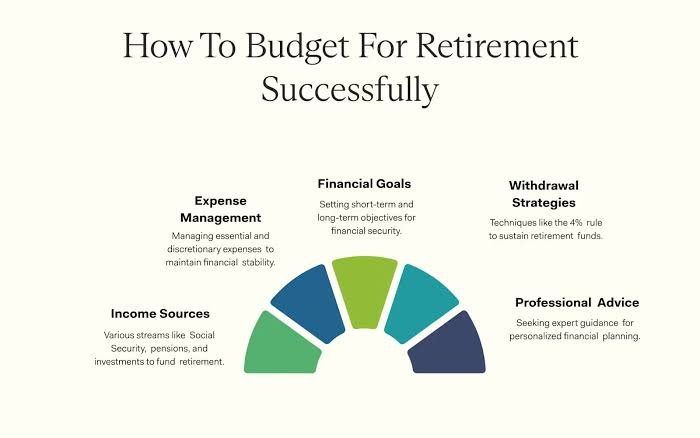
Planning for retirement involves more than just deciding when to stop working. Understanding your financial needs during retirement requires a realistic assessment of how your spending patterns will change and what new expenses might arise. Many people focus heavily on accumulating retirement savings but give less thought to how those savings should be allocated once retirement begins. This gap in planning can lead to financial stress or depleted resources in later years. By examining the major categories of post-retirement expenses, you can develop a budget that supports your lifestyle while protecting your long-term financial security.
Housing and Property Costs
Your home typically represents one of your largest expenses, and this remains true in retirement. If you own your home outright, you still face property taxes, insurance, maintenance, and utilities. Many retirees aim to have their mortgage paid off before retirement, which reduces monthly obligations significantly, though property maintenance becomes increasingly important as homes age and unexpected repairs can strain a budget quickly. Consider setting aside funds for routine maintenance such as roof repairs, HVAC servicing, and plumbing updates. Some retirees choose to downsize to a smaller property or relocate to areas with lower property taxes and living costs, freeing up considerable resources for other needs. For those exploring senior living communities as a housing alternative, TerraBella Greenville offers an environment where residents benefit from bundled amenities and services that can simplify monthly budgeting.
Healthcare and Medical Expenses
Healthcare costs often increase substantially in retirement, even with Medicare coverage. Medicare does not cover all medical expenses, including dental care, vision care, and hearing aids. Long-term care, whether in-home assistance or facility-based care, represents one of the largest potential expenses retirees face. Prescription medications can accumulate costs over time, particularly for chronic conditions. Many financial advisors recommend budgeting between 15 and 20 percent of your retirement income for healthcare expenses, though individual situations vary widely. Purchasing supplemental insurance or a Medicare Advantage plan can help manage these costs, but understanding exactly what is and is not covered under your specific plan is essential before committing.
Food, Groceries, and Dining
Your food budget in retirement may differ substantially from your working years. Some retirees spend less on food because they no longer purchase expensive lunches at work or rely on convenience foods driven by time constraints. Others find they spend more on groceries because they cook more meals at home or dine out more frequently during travel and social engagements. Planning meals carefully and shopping strategically can help control food expenses without sacrificing nutrition or enjoyment. Consider whether your retirement lifestyle includes dining out regularly, entertaining guests, or traveling to experience different cuisines, since these activities add genuine enjoyment to retirement but require accurate budgeting to avoid overspending.
Transportation and Travel
Transportation needs change in retirement, but they rarely disappear entirely. If you own a vehicle, you will still face insurance, fuel, maintenance, and eventual replacement costs. Public transportation may replace some car usage, but this depends heavily on where you live and your mobility level. Travel represents a significant discretionary expense for many retirees, and understanding your travel budget is essential for overall retirement planning. Some retirees travel extensively during their early retirement years and reduce travel spending as they age, while others maintain modest local transportation costs with occasional trips to visit family. Being realistic about how often you plan to travel helps prevent budget surprises down the road.
Utilities, Subscriptions, and Entertainment
Fixed costs like electricity, water, and internet service continue throughout retirement and should not be overlooked when building a budget. Entertainment expenses such as streaming services, hobbies, memberships, and recreational activities add up quickly and deserve careful attention. Golf memberships, fitness centers, art classes, and club dues represent discretionary spending that many retirees value highly. Budget for both free and paid entertainment options so you can enjoy retirement without financial anxiety. Some retirees find that certain hobbies become more affordable in retirement with added time to pursue them, while others discover new interests that require meaningful investment. Planning for these lifestyle expenses ensures your retirement feels fulfilling rather than financially restrictive.
Insurance and Financial Protection
Even in retirement, insurance remains an important budget consideration. Homeowners insurance is essential protection regardless of loan status, and auto insurance continues for any vehicles you own. Health insurance premiums for Medicare supplemental coverage should be factored into your monthly expenses as well. Long-term care insurance may protect your assets from catastrophic medical costs, though premiums increase with age and should be secured as early as possible. Some retirees also maintain life insurance if they have dependents or want to leave an inheritance. Understanding these protection costs in advance helps prevent unexpected budget shortfalls that could force difficult financial decisions later.
Conclusion
Creating a realistic post-retirement budget requires examining all major expense categories and honestly assessing your likely spending patterns. Housing, healthcare, food, transportation, entertainment, and insurance form the foundation of most retirement budgets, though individual priorities vary considerably. Your budget should reflect your values and desired lifestyle while remaining flexible enough to adapt to changing circumstances. Starting this budgeting process well before retirement allows time to adjust your savings strategy if needed. By investing time in comprehensive retirement planning now, you can enter retirement with confidence that your resources will support the life you envision.






One Comment