
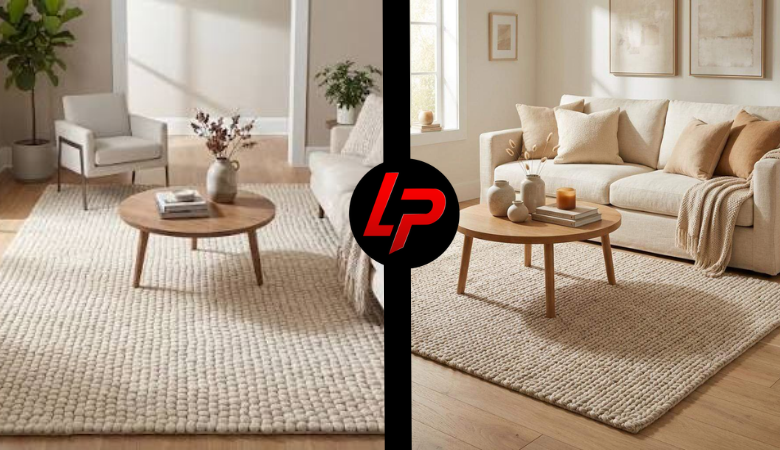
Wollmatten are natural wool mats that bring warmth, comfort, and practical value to modern homes. Made primarily from sheep’s wool, these versatile mats are used for flooring, insulation, decoration, and gardening. Their soft texture, natural insulating properties, and renewable fibers make them appealing to homeowners who prefer comfortable and durable materials. Understanding their benefits, types, and everyday uses can help you choose the right wool mats for your space.
What Are Wollmatten?
Wollmatten is a German term meaning wool mats in English. These mats are generally produced from sheep’s wool, although some varieties contain blended fibers. They come in different shapes, thicknesses, and textures depending on their purpose. Unlike ordinary plastic-based mats, wool products offer natural cushioning, moisture regulation, and thermal insulation. They are commonly used as decorative rugs, protective felt pads, and specialized insulation materials.
History of Wollmatten
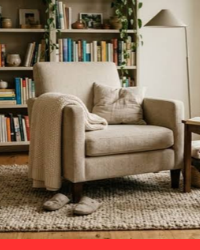
Wool has been used for centuries to produce clothing, carpets, blankets, and household coverings. Traditional craftspeople developed weaving and felting techniques to transform sheep’s fleece into durable textiles. Over time, these methods evolved into modern manufacturing processes. Today, Wollmatten are available in specialized forms for interior decoration, construction, and gardening, combining traditional wool craftsmanship with practical applications for contemporary homes.
How Wollmatten Are Made
Manufacturing begins with collecting and cleaning sheep’s wool to remove dirt, grease, and unwanted particles. The fibers are then prepared through carding and arranged according to the intended product. Some mats are woven or tufted, while others are created through felting or needle-punching. Manufacturers may also add supporting fibers or protective treatments. The resulting thickness and density determine each mat’s comfort, strength, and insulating performance.
Different Types of Wollmatten
Wollmatten are available in several varieties designed for different applications. Wool floor mats offer comfort and decoration, while dense wool felt mats provide cushioning and surface protection. Wool pressing mats are useful for sewing and quilting, and yoga mats support gentle stretching or meditation. Specialized insulation mats help reduce heat transfer, whereas garden wool mats protect soil and help manage moisture.
Benefits of Wollmatten
Natural wool mats offer several practical advantages. Their fibers trap air, contributing to thermal insulation and a comfortable indoor environment. Wool also absorbs and releases moisture vapor, which can help buffer humidity changes. Additionally, its elastic structure provides cushioning and resilience. Dense wool materials can absorb some sound, while decorative rugs improve room texture. These properties vary according to product quality, construction, and intended application.
Wollmatten for Home Insulation
Sheep-wool insulation mats can help improve thermal performance in suitable walls, roofs, and ceilings. Their fibrous structure limits heat transfer while allowing moisture vapor absorption and release. However, proper installation remains essential. Building insulation must meet relevant fire, moisture, and pest-protection requirements. Decorative wool rugs should not be substituted for certified insulation products because their performance and construction differ considerably.
Common Uses of Wollmatten
Wollmatten serve several purposes throughout the home. In living rooms, wool rugs create comfortable seating areas and add natural texture. Bedrooms benefit from soft mats beside the bed, while low-pile designs can suit hallways and offices. Smaller felt pads protect furniture and floors from scratches. Specialized wool materials also support crafting, acoustic treatment, and building insulation, making them useful beyond traditional floor decoration.
Wollmatten for Gardening
Garden wool mats provide an alternative to some plastic-based soil coverings. They can reduce direct soil exposure, help retain moisture, and limit certain weed growth when positioned correctly. Untreated wool also contains nitrogen that may gradually enter the soil during decomposition. However, gardeners should choose products specifically manufactured for horticultural use. Building insulation containing chemical treatments or synthetic binders may be unsuitable for plants.
Why Wollmatten Matter
Wollmatten combine everyday functionality with the appeal of natural materials. Their renewable fibers, comfortable texture, and versatility make them useful across many household applications. They can improve the feel of living spaces without requiring complicated changes. Furthermore, specialized wool products provide practical solutions for insulation and gardening. Choosing appropriate materials helps homeowners balance comfort, maintenance, durability, and environmental considerations.
Wollmatten vs. Synthetic Mats
Natural wool mats and synthetic alternatives differ in composition, maintenance, and performance. Wool offers natural moisture regulation and cushioning, while synthetic materials may provide easier cleaning and lower purchase prices. Both can be durable when properly manufactured.
How to Choose Wollmatten
Choosing suitable Wollmatten starts with understanding their intended use. Consider the mat’s dimensions, thickness, wool content, and construction before purchasing. Decorative rugs should match the room’s furniture and daily foot traffic. For insulation, check technical specifications and safety classifications. Also examine cleaning instructions and any chemical treatments. Comparing material quality and expected durability can help you select a product that suits your budget.
Cleaning and Maintenance
Proper care helps wool mats maintain their appearance and usefulness. Vacuum decorative rugs regularly to remove dust and loose particles. When spills occur, gently blot the affected area rather than rubbing it. Use cleaning products suitable for wool and avoid unnecessary soaking. Allow cleaned mats to dry thoroughly. Wool insulation normally requires little routine maintenance but should remain protected from leaks and pests.
Common Problems with Wollmatten
Wollmatten can develop problems when exposed to unsuitable conditions. Excessive moisture may cause odors, staining, or material damage. Untreated wool can also attract moth larvae and other fiber-feeding insects. Some decorative mats shed loose fibers, particularly when new. Improper washing may result in shrinking or distortion. Regular inspection, appropriate cleaning, and dry storage can help prevent many of these issues.
Are Wollmatten Environmentally Friendly?
Wool is a renewable natural fiber, making Wollmatten worth considering for environmentally conscious households. Pure, untreated wool can biodegrade under suitable conditions, and some manufacturers use fleece that might otherwise have limited commercial value. Nevertheless, production still involves farming, cleaning, transportation, and manufacturing resources. Synthetic backing, dyes, and chemical treatments can also affect sustainability. Product-specific environmental information provides a more reliable basis for comparison.
How Long Do Wollmatten Last?
The lifespan of wool mats depends on material quality, construction, and usage. Well-made decorative rugs may remain attractive for many years with proper cleaning and placement. Insulation products can also provide long-term performance when installed correctly and protected from moisture and pests. Garden mats generally break down more quickly because they are exposed to weather and soil microorganisms. Appropriate maintenance helps extend the usefulness of each product.
Styling Wollmatten at Home
Wollmatten can complement modern, traditional, and minimalist interiors. Neutral shades such as cream, beige, and gray create a calm appearance, while patterned wool rugs add character. Larger mats help connect seating arrangements, and smaller designs work well beside beds or reading chairs. Consider furniture placement, room dimensions, and foot traffic when choosing a style. A suitable wool mat can improve both comfort and visual balance.
Final Thoughts
Wollmatten offer a practical combination of natural comfort, insulation, durability, and decorative appeal. From household rugs to specialized gardening and building materials, wool mats support many different applications. Their renewable fibers make them an interesting alternative to some synthetic products, although quality and manufacturing methods remain important. By selecting the right type and following suitable maintenance practices, homeowners can enjoy the benefits of natural wool mats for years.
Must Read: Supermaked: Understanding Its Meaning and Benefits
FAQs
What are Wollmatten used for?
Wollmatten are natural wool mats used for home decoration, flooring, insulation, gardening, and furniture protection. Their soft texture and insulating properties make them suitable for various household applications.
Are Wollmatten made from natural wool?
Yes, Wollmatten are generally made from sheep’s wool. However, some products contain synthetic fibers or additional materials to improve durability, structure, and performance.
Do Wollmatten keep your home warm?
Wollmatten provide natural thermal insulation because wool fibers trap air and slow heat transfer. Specialized insulation mats can help improve indoor thermal comfort when correctly installed.
Are Wollmatten environmentally friendly?
Wool is a renewable natural fiber, and untreated wool can biodegrade under suitable conditions. However, the environmental impact depends on manufacturing processes, chemical treatments, and additional materials.
How long do Wollmatten last?
High-quality Wollmatten can last for many years with appropriate care. Their lifespan depends on wool quality, daily use, cleaning methods, and exposure to moisture or pests.